
Understanding Subletting Basics
Subletting can be a practical solution if you need to leave your apartment temporarily but want to avoid paying for an unused space. Before moving forward, it’s important to familiarize yourself with what subletting entails and the steps involved. Begin by checking your lease to determine whether subletting is permitted, as some agreements may have restrictions or require prior approval from your landlord. Understanding your lease terms is crucial to avoid complications later.

Next, take the time to clarify your responsibilities as the primary tenant. Even when a subletter occupies your space, you remain responsible for the terms outlined in your lease, including rent payments and property upkeep. Be prepared to manage this responsibility even while you’re away.
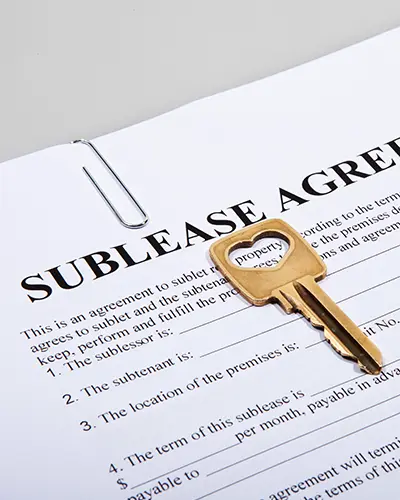
Ensure your subletter is clear on their role as a temporary tenant. Open communication about rules, payments, and expectations helps prevent misunderstandings. When creating a sublease agreement, be specific about the duration of the sublet, the rent amount, and any additional requirements, such as utility payments or property maintenance.
Additionally, take steps to protect yourself financially and legally. Requesting a security deposit from your subletter can provide a safety net in case of property damage or unpaid bills. Keep copies of all communications and agreements as a record, which can be helpful in case of any disputes.
Finding the Right Subletter
Finding someone dependable to sublet your apartment is key to a successful subletting experience. Start by crafting a clear and detailed listing that highlights important information about your apartment, such as the rent amount, location, and amenities. Including photos can also make your listing more appealing and help potential subletters get a better sense of the space.
When reaching out to prospective subletters, prioritize open and honest communication. Be upfront about your expectations, such as maintaining cleanliness or adhering to any specific rules.
Conducting background checks or requesting references from previous landlords can provide additional assurance of their reliability. If your apartment is in a student-heavy area like Purdue, targeting fellow students may increase your chances of finding someone who understands the local rental landscape.
Utilize a variety of platforms to advertise your sublet. Social media groups, student forums, and specialized rental websites can help you connect with potential candidates quickly. Platforms like Snapchat or Facebook Marketplace can be beneficial for college students. For a more localized approach, consider posting on campus bulletin boards or in community spaces near Purdue.
To ensure a smooth process, keep a record of all interactions with potential subletters and make note of anyone who meets your criteria. Once you’ve identified a promising candidate, draft a comprehensive sublease agreement that outlines all key terms. This protects both you and your subletter, helping to establish a professional and clear arrangement.
Setting the Right Price
Determining the right price for your sublet involves a balance between covering your costs and appealing to potential subletters. Beyond researching local rates for Purdue Apartments, consider the unique features of your unit. Factors like proximity to campus, included amenities, and furnished spaces can allow you to adjust your price to reflect the value your apartment offers.
If you want to attract interest quickly, consider offering utilities such as electricity, internet, or water as part of the overall rent. Clear communication about whether these costs are included can help avoid confusion for prospective subletters. Additionally, remember that summer is a transitional time for many students, so a flexible or slightly discounted rate may attract renters who are searching for shorter-term housing solutions.
You can also increase your chances of finding a subletter by offering optional perks, such as leaving behind some furniture for use during their stay or providing a move-in-ready apartment.
Legal Considerations
Before finalizing your subletting arrangement, it’s essential to understand the legal responsibilities that come with it. Start by ensuring that the sublease complies with your rental agreement and any local laws governing subletting. In some cases, state or local regulations may require specific notices or permissions before you can proceed with a sublet.
When drafting a sublease agreement, include precise details to protect all parties involved. Clearly outline the subletter’s obligations, such as rent payment deadlines and property care expectations. It’s equally important to state your own responsibilities, so the subletter understands what they can expect from you as the primary tenant. This helps minimize misunderstandings during the sublease term.
If your landlord requires written consent for subletting, make sure to secure this approval before allowing someone to occupy the space. Provide your landlord with the necessary details about the subletter and ensure you have written documentation of their permission. Landlord approval, when required, is not only a legal safeguard but can also ensure a more positive relationship with your property management team.
Be mindful of the original lease terms, as you remain bound to them throughout the sublet. If your lease specifies rules regarding noise, pets, or guest policies, communicate these terms to your subletter so they can follow them as well. This reduces the likelihood of disputes or penalties that could ultimately fall back on you.
Requesting a security deposit from your subletter can help cover potential damages or unpaid rent during the sublease period. Ensure that the deposit amount adheres to any local regulations and is accounted for separately from the regular rent. A clear explanation of how the security deposit will be handled, including conditions for its return, should also be included in the sublease agreement.
Documenting all aspects of the subletting arrangement can serve as critical evidence if disagreements arise later. Keep copies of the signed sublease agreement, proof of any financial transactions, and written communications for your records. This documentation can provide clarity and protect your interests if legal issues occur.

Preparing Your Space
Making your apartment ready for a subletter requires some attention to detail to ensure they have a positive experience during their stay. Begin by removing clutter and organizing the space to make it functional and inviting. Focus on areas like the kitchen, bathroom, and bedroom, ensuring they are clean and ready for use. If you’re leaving behind furniture or appliances, confirm that everything is in good working order.
Create a detailed guide for your subletter to help them navigate your apartment and the surrounding area. Include instructions for operating appliances, accessing Wi-Fi, and using building amenities, such as laundry facilities or parking spaces. If your apartment is part of a larger community near Purdue, share tips about nearby grocery stores, restaurants, and campus shortcuts that could make their stay more convenient.
Check all utilities and ensure they are running smoothly before your departure. Verify that light bulbs are working, the air conditioning is functioning properly, and that the apartment is secure with working locks. If you have a maintenance request pending, address it with your landlord or property management team in advance to avoid disruptions for your subletter.
Leave behind basic supplies to help the subletter transition easily into the space. Items such as spare keys, cleaning products, and simple tools like a screwdriver can be helpful for day-to-day needs. If your apartment has specific quirks, such as a tricky door lock or an unusual heating system, provide clear explanations to avoid confusion.
Lastly, ensure your subletter knows how to reach you in case of any questions or issues during their stay. If you will be unavailable, designate a reliable contact person they can call for assistance. This proactive approach helps create a comfortable environment for the subletter while also safeguarding your property.
Connect withBK ManagementWest Lafayette
BK Management West Lafayette is a trusted resource for those navigating the subletting process near Purdue. Their expertise in managing properties tailored to the needs of students and residents ensures a streamlined experience for both tenants and subletters. Whether you’re subletting your current apartment or looking for a new rental option, their knowledgeable team can provide guidance and support throughout the process.
With a focus on Purdue Apartments, BK Management simplifies the complexities of subletting by offering tools like tenant screenings and lease assistance. They understand the importance of finding dependable renters and maintaining clear agreements, making them a reliable partner in handling the details. If you need assistance with any part of your sublet, their team is ready to step in and help ensure that all requirements are met, leaving you with peace of mind.
For those searching for an apartment while planning a return to the area, BK Management offers a range of apartments at Purdue designed to fit various lifestyles and budgets. Their available properties often include student-friendly amenities and convenient access to campus, making them an excellent choice for anyone looking to secure housing near Purdue. By working with BK Management, you can explore options that align with your needs and gain access to experienced support for any rental concerns.
If you’re ready to simplify your subletting experience or explore new housing opportunities, BK Management West Lafayette is here to help. Their local expertise and commitment to quality service make them an essential resource for renters in the Purdue community.